Top 10 Easy Indian Desserts to Make at Home
Indian desserts are more than just sweet dishes. They are a celebration of culture, family traditions, festivals, and happiness. Whether it is a small family dinner, a festive gathering, or simply a craving after meals, Indian sweets have a special way of bringing comfort and joy to every occasion.
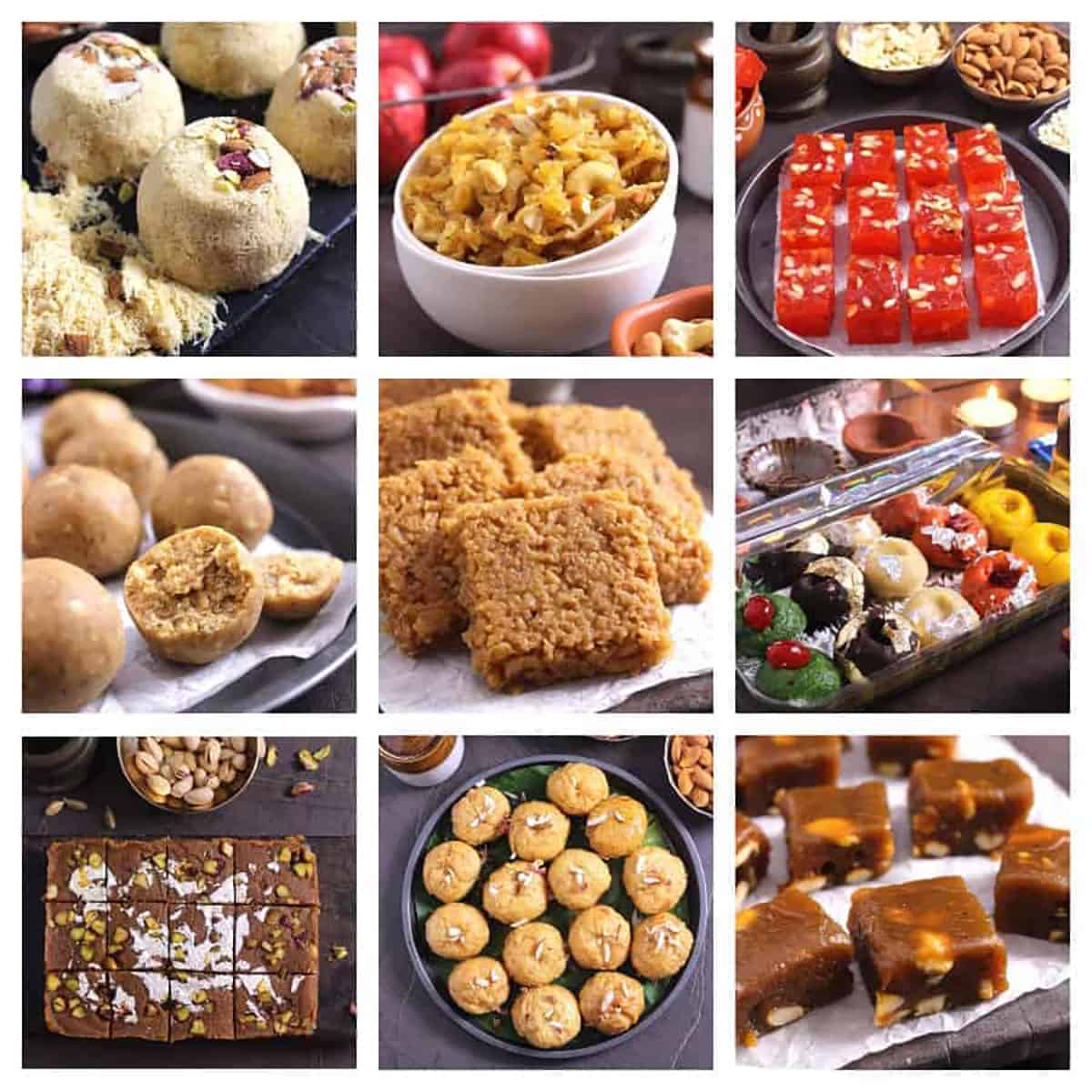
Indian desserts are more than just sweet dishes. They are a celebration of culture, family traditions, festivals, and happiness. Whether it is a small family dinner, a festive gathering, or simply a craving after meals, Indian sweets have a special way of bringing comfort and joy to every occasion.
The best part is that not every Indian dessert requires complicated techniques or hours in the kitchen. Many classic sweets can be prepared easily at home using simple ingredients already available in most Indian households.
From creamy kheer to soft gulab jamun, homemade desserts not only taste fresh but also carry the warmth of personal effort and love. In this blog, we will explore ten easy Indian desserts that anyone can make at home, even beginners.
1. Gulab Jamun – The King of Indian Desserts
Few sweets are as universally loved as gulab jamun. These soft, melt-in-the-mouth balls soaked in sugar syrup are a favorite during weddings, festivals, and celebrations.
Traditionally made with khoya, modern recipes using milk powder make the process much easier for home cooks.
Why People Love It
- Soft and juicy texture
- Rich flavor with cardamom and rose water
- Perfect for festivals and parties
Easy Ingredients
- Milk powder
- Flour
- Baking soda
- Milk
- Sugar
- Cardamom
Quick Tip
Always fry gulab jamuns on low heat. This helps them cook evenly from inside while maintaining their softness.
Serve warm for the best experience.
2. Rice Kheer – India’s Classic Comfort Dessert
Rice kheer is one of the oldest and simplest Indian desserts. Made by slowly cooking rice in milk with sugar and dry fruits, this dessert is found in almost every Indian household.
It is commonly prepared during festivals, religious ceremonies, and family gatherings.
Why It Is Special
- Requires very few ingredients
- Rich and creamy texture
- Can be served hot or cold
Main Ingredients
- Rice
- Full cream milk
- Sugar
- Cardamom
- Almonds and cashews
Easy Variation
You can add saffron, raisins, or condensed milk for extra richness.
Kheer tastes even better after chilling for a few hours because the flavors deepen beautifully.
3. Suji Halwa – The Fastest Homemade Sweet
Suji halwa, also known as sheera or rava halwa, is probably one of the easiest Indian desserts to make at home.
Prepared with semolina, ghee, sugar, and water, this dessert can be ready within 15 minutes.
Why Families Love It
- Quick and affordable
- Commonly made during festivals and pujas
- Perfect emergency dessert for guests
Ingredients Needed
- Semolina (suji/rava)
- Ghee
- Sugar
- Water
- Cardamom
Secret to Great Halwa
Roasting the suji properly in ghee is the key. It creates the rich aroma and nutty flavor that makes halwa irresistible.
4. Rasmalai – Soft, Creamy, and Delicious
Rasmalai may sound complicated, but simplified homemade versions make it achievable even for beginners.
Soft paneer discs soaked in sweet saffron milk create one of India’s most luxurious desserts.
Why Rasmalai Is Popular
- Rich and creamy texture
- Perfect for special occasions
- Loved by both kids and adults
Main Ingredients
- Paneer or rasgulla
- Milk
- Sugar
- Saffron
- Pistachios
Easy Home Version
You can use ready-made rasgullas to save time and quickly prepare rasmalai at home.
5. Coconut Ladoo – Simple No-Fuss Sweet
Coconut ladoos are among the easiest Indian sweets for beginners. They require minimal cooking and very few ingredients.
These ladoos are especially popular during festivals like Raksha Bandhan and Diwali.
Why They Are Great
- Quick preparation
- No complicated steps
- Delicious coconut flavor
Ingredients
- Grated coconut
- Condensed milk
- Cardamom
Bonus Tip
You can roll the ladoos in extra coconut powder for a beautiful festive look.
6. Mango Shrikhand – The Perfect Summer Dessert
Shrikhand is a traditional dessert from Maharashtra and Gujarat made using hung curd. Mango shrikhand, also called amrakhand, becomes especially popular during summer season.
It is creamy, refreshing, and requires no cooking.
Why It Is Perfect for Summer
- Light and cooling
- Naturally fruity flavor
- Easy to prepare in minutes
Ingredients
- Hung curd
- Mango pulp
- Sugar
- Cardamom
- Saffron
Serving Idea
Serve chilled with dry fruits for a restaurant-style presentation.
7. Besan Ladoo – A Traditional Favorite
Besan ladoos are deeply connected with Indian family traditions. Their rich aroma and melt-in-the-mouth texture make them one of the most loved homemade sweets.
Why Besan Ladoo Feels Special
- Nostalgic homemade flavor
- Long shelf life
- Ideal for festivals
Ingredients
- Gram flour (besan)
- Ghee
- Sugar
- Cardamom
Important Tip
Slow roasting is the secret. Properly roasted besan gives ladoos their authentic flavor and golden color.
8. Kulfi – India’s Traditional Ice Cream
Kulfi is India’s answer to ice cream, but richer and creamier. Unlike regular ice cream, kulfi does not require whipping.
Homemade kulfi can easily be prepared using condensed milk and cream.
Why Everyone Loves Kulfi
- Dense and creamy texture
- Great for hot weather
- Easy to customize
Popular Flavors
- Malai kulfi
- Mango kulfi
- Pista kulfi
- Kesar kulfi
Simple Ingredients
- Milk
- Condensed milk
- Cream
- Cardamom
- Nuts
Freeze overnight for the perfect texture.
9. Jalebi – Crispy and Syrupy Delight
Jalebi is one of the most iconic Indian sweets. Crispy spirals soaked in sugar syrup create a perfect balance of crunch and sweetness.
While traditional jalebi recipes involve fermentation, instant versions are much easier for home cooking.
Why Jalebi Is So Popular
- Crispy outside and juicy inside
- Best enjoyed hot
- Perfect with milk or rabri
Ingredients
- Flour
- Yogurt
- Sugar
- Saffron
- Baking powder
Easy Tip
Use a squeeze bottle or piping bag to create perfect jalebi shapes while frying.
10. Chocolate Barfi – Modern Twist to Traditional Mithai
Chocolate barfi combines traditional Indian sweets with modern chocolate flavor, making it especially popular among children.
It is quick, easy, and perfect for festive gifting.
Why It Is Trending
- Fusion flavor
- Attractive appearance
- Loved by younger generations
Ingredients
- Milk powder
- Cocoa powder
- Condensed milk
- Ghee
Decoration Idea
Top with chopped pistachios or silver leaf for a premium festive look.
Why Homemade Indian Desserts Feel More Special
There is something magical about homemade sweets. Unlike store-bought desserts, homemade Indian sweets carry emotions, effort, and personal touch.
Families often prepare desserts together during festivals, creating memories that last for years. Children learn recipes from parents and grandparents, helping traditions continue across generations.
Homemade desserts also allow:
- Better ingredient quality
- Custom sugar levels
- Fresh flavors
- Healthier alternatives
Most importantly, they bring families together.
Tips for Making Perfect Indian Desserts at Home
1. Use Fresh Ingredients
Fresh milk, ghee, nuts, and spices improve taste significantly.
2. Be Patient
Indian sweets often require slow cooking for authentic texture and flavor.
3. Control Heat Properly
High heat can ruin desserts quickly. Medium or low flame works best for most recipes.
4. Measure Carefully
For beginners, accurate measurements help avoid mistakes.
5. Practice Makes Perfect
Even if the first attempt is imperfect, homemade desserts improve with practice.
The Emotional Connection With Indian Sweets
Indian desserts are not only about sugar and flavor. They are deeply emotional.
A bowl of kheer reminds people of childhood festivals.
Besan ladoos bring memories of grandmothers.
Hot jalebis remind families of winter mornings.
Kulfi brings back summer vacations.
These sweets are woven into Indian culture and family life. They celebrate joy, togetherness, and tradition.

Rohit Sharma
Rohit is a passionate food writer and traveler who loves exploring India’s rich culinary heritage.
Leave a Comment
Recent Posts

Top 10 Iconic Restaurants You Must Visit
May 15, 2024
3 Comments
Ananya Sharma
May 20, 2024This article brought back so many childhood memories.
Aman Verma
May 21, 2024Loved the cultural insights and traditions shared.