The Story Behind India’s Most Loved Comfort Foods
There is something deeply emotional about comfort food in India. It is not just about taste. It is about memories, people, festivals, rainy evenings, family conversations, and the feeling of home after a long day. Every Indian household has at least one dish that instantly brings comfort, no matter where life takes us.
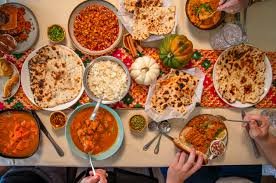
There is something deeply emotional about comfort food in India. It is not just about taste. It is about memories, people, festivals, rainy evenings, family conversations, and the feeling of home after a long day. Every Indian household has at least one dish that instantly brings comfort, no matter where life takes us.
From steaming plates of khichdi during sickness to buttery parathas served by mothers early in the morning, Indian comfort foods are closely tied to emotions and traditions. These dishes may look simple, but behind every bite lies a story shaped by culture, history, and generations of love.
In this blog, let us explore the stories behind some of India’s most loved comfort foods and understand why they continue to hold a special place in our hearts.
Why Comfort Food Matters So Much in India
India is a country where food is more than survival. Food is celebration, hospitality, medicine, emotion, and identity. Unlike fast food that is eaten in a hurry, comfort food is connected to moments we remember forever.
A bowl of hot dal-chawal after a stressful day can feel more satisfying than an expensive restaurant meal. The aroma of homemade rajma can instantly remind someone of childhood Sundays. During festivals, certain dishes become emotional traditions passed down through generations.
Comfort foods are powerful because they offer familiarity. In a fast-moving world, they help people reconnect with their roots.
Khichdi – India’s Ultimate Healing Food
Few dishes represent comfort better than khichdi. Made with rice and lentils, khichdi is often the first dish Indians eat when they are unwell. But its importance goes far beyond being “sick food.”
For centuries, khichdi has been considered nourishing, easy to digest, and balanced. In many Indian homes, it is the go-to meal during rainy days or when someone wants something light and warm.
Different regions have their own versions:
- Bengali bhog khichuri during festivals
- Gujarati vaghareli khichdi with spices
- South Indian pongal variation
- Rajasthani bajra khichdi in winters
What makes khichdi special is its simplicity. It proves that comfort does not always need rich ingredients or complicated recipes.
Rajma Chawal – The Emotion of North India
Ask any North Indian about their favorite comfort food, and rajma chawal will almost always be part of the conversation.
The creamy texture of kidney beans cooked slowly with onions, tomatoes, and spices, paired with hot rice, creates a meal that feels complete in every way. For many families, rajma chawal is not just food — it is a Sunday tradition.
Interestingly, rajma became popular in India after being introduced from Central America centuries ago. Over time, Indian kitchens transformed it into a soulful dish filled with local flavors.
The real magic of rajma chawal lies in patience. Slow cooking allows the flavors to blend beautifully, creating the rich taste people associate with home.
Dal Chawal – The Everyday Hero
Dal chawal may seem ordinary, but it is one of the strongest emotional symbols of Indian households.
Across the country, people grow up eating some version of lentils and rice:
- Dal tadka in North India
- Sambar rice in South India
- Dalma in Odisha
- Varan bhaat in Maharashtra
This combination is affordable, nutritious, and deeply satisfying. It is the kind of meal people crave after traveling or eating outside food for too long.
Many Indians living abroad often say the thing they miss most is simple homemade dal chawal. That says everything about its emotional value.
Aloo Paratha – Love Served on a Plate
Aloo paratha is not just breakfast. It is an experience.
The smell of parathas roasting on a tawa early in the morning is one of the most nostalgic food memories for many Indians. Served with butter, curd, pickle, or chai, aloo paratha represents warmth and care.
In Punjabi households especially, making parathas is often a family ritual. Mothers and grandmothers prepare them with incredible skill, rolling the dough perfectly and cooking each paratha until golden brown.
The popularity of aloo paratha has now spread globally, but its emotional connection remains strongest in Indian homes.
Masala Chai – More Than Just Tea
India’s relationship with chai is emotional. A cup of masala chai is often linked with conversations, rainy weather, train journeys, office breaks, and family bonding.
While tea originally became popular during British colonial rule, Indians transformed it completely by adding milk, sugar, ginger, cardamom, cloves, and local spices.
Today, chai is not just a beverage. It is a daily ritual.
Some people cannot start their morning without it. Others associate chai with evening snacks and deep conversations. In many homes, offering chai is a symbol of hospitality and affection.
Maggi – The Midnight Comfort Food
For an entire generation, Maggi noodles became the definition of instant comfort.
Introduced in India during the 1980s, Maggi quickly became popular because it was affordable, quick, and tasty. College students, hostel residents, working professionals, and children all developed emotional connections with it.
Over time, people created their own versions:
- Vegetable Maggi
- Cheese Maggi
- Spicy roadside Maggi
- Butter Maggi in hill stations
Despite being simple instant noodles, Maggi became associated with late-night hunger, friendships, hostel life, and mountain trips.
Few packaged foods in India carry this level of nostalgia.
Curd Rice – South India’s Soul Food
In South India, curd rice is considered one of the most comforting meals possible.
Made with rice, curd, and simple tempering, this dish is cooling, soothing, and perfect for hot weather. Many people eat curd rice at the end of meals because it feels calming and satisfying.
What outsiders often fail to understand is that curd rice is not boring. It carries emotional depth. It reminds people of home-cooked lunches, temple meals, and peaceful family dinners.
Served with pickle or papad, curd rice proves once again that comfort food is about feelings, not complexity.
Biryani – Celebration and Comfort Together
While biryani is often associated with celebrations and parties, for many Indians it is also comfort food.
Whether it is Hyderabadi biryani, Kolkata biryani, Lucknowi biryani, or Malabar biryani, every region has developed its own identity around this iconic dish.
The slow cooking process, fragrant spices, and layered rice create an experience that feels deeply satisfying. Families often gather around biryani during weekends and special occasions.
For many people, the smell of biryani alone can trigger memories of weddings, Eid celebrations, and joyful family gatherings.
Why Homemade Food Always Feels Different
One common thread among all comfort foods is the emotional value of homemade cooking.
Food prepared by parents or grandparents often feels more comforting because it carries personal care and attention. Recipes are rarely followed perfectly. Instead, they are shaped by instinct, experience, and love.
This is why the same dish from a restaurant may never feel exactly like home.
Indian kitchens are built around this emotional connection. Meals are not only cooked to satisfy hunger but also to nurture relationships.
The Role of Comfort Food During Difficult Times
Comfort food becomes especially important during emotional or stressful periods.
During the pandemic, many people turned back to traditional home-cooked meals. Recipes from childhood suddenly became meaningful again. Families started cooking together more often, rediscovering dishes they had forgotten in busy lifestyles.
Comfort food offers emotional stability. It creates a sense of safety and familiarity during uncertain times.
That is why even successful professionals living abroad often crave homemade Indian food more than luxury dining experiences.
How Indian Comfort Foods Are Evolving
Today, Indian comfort foods are evolving with modern lifestyles.
People are experimenting with:
- Healthier ingredients
- Vegan versions
- Fusion recipes
- Restaurant-style presentations
Yet the emotional essence remains unchanged.
For example:
- Millet khichdi for health-conscious eaters
- Air-fried samosas
- Protein-rich parathas
- Gourmet chai cafes
Modern changes may alter recipes slightly, but the feeling of comfort stays the same.
The Emotional Power of Food Memories
Sometimes, one smell is enough to take a person back in time.
The aroma of tadka in dal.
Fresh rotis coming off the tawa.
Chai boiling during rain.
Rice steaming in the kitchen.
These moments become lifelong memories.
Indian comfort foods survive across generations because they are connected to real human experiences — family dinners, festivals, school lunches, train journeys, and celebrations.
Food becomes part of personal identity.

Rohit Sharma
Rohit is a passionate food writer and traveler who loves exploring India’s rich culinary heritage.
Leave a Comment
Recent Posts

Top 10 Iconic Restaurants You Must Visit
May 15, 2024
3 Comments
Ananya Sharma
May 20, 2024This article brought back so many childhood memories.
Aman Verma
May 21, 2024Loved the cultural insights and traditions shared.